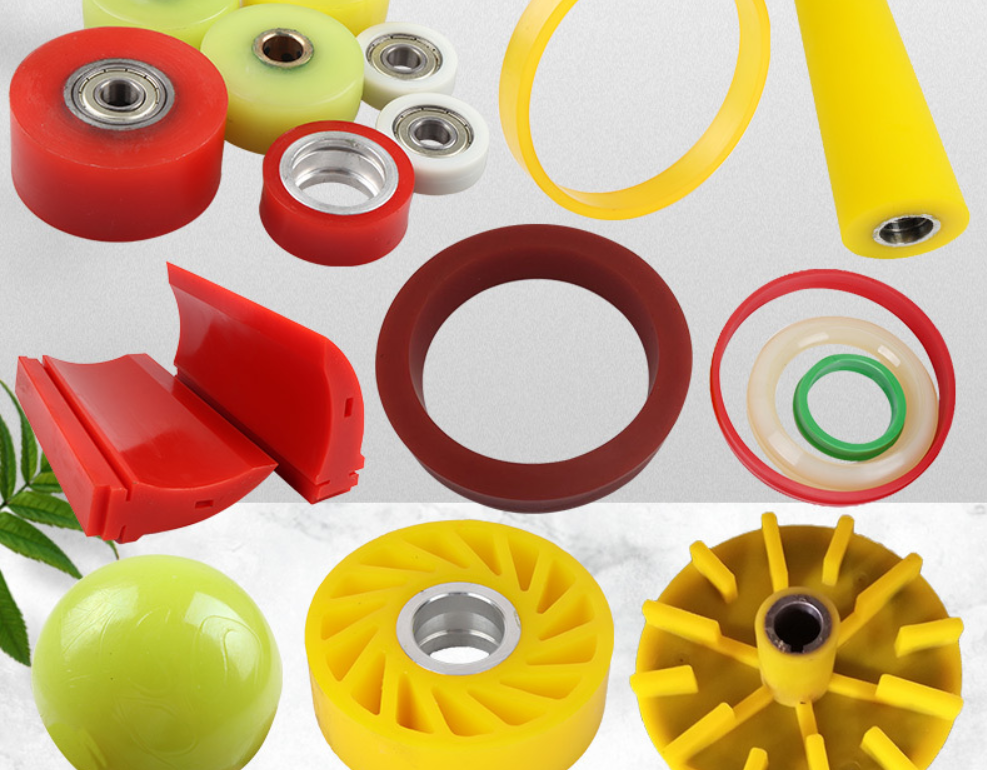
How to Choose the Right Polyurethane Hardness (Shore A Guide)
Shore A 20 to Shore D 80 — Matching PU Hardness to Your Application
Hardness is the most important parameter when specifying cast polyurethane. The Shore durometer scale measures resistance to permanent indentation — but choosing the right hardness involves understanding the relationship between hardness, load-bearing capacity, impact absorption, and abrasion resistance.
Understanding the Shore Scales
Two Shore scales are commonly used for polyurethane:
- Shore A: Used for soft to medium-hard elastomers. Range 0–100, where 0 is completely soft and 100 is very hard rubber. Most cast PU falls in Shore A 20–95.
- Shore D: Used for hard materials. Shore D 40 is approximately equivalent to Shore A 95. Hard PU grades (Shore D 40–80) are used for structural wear parts.
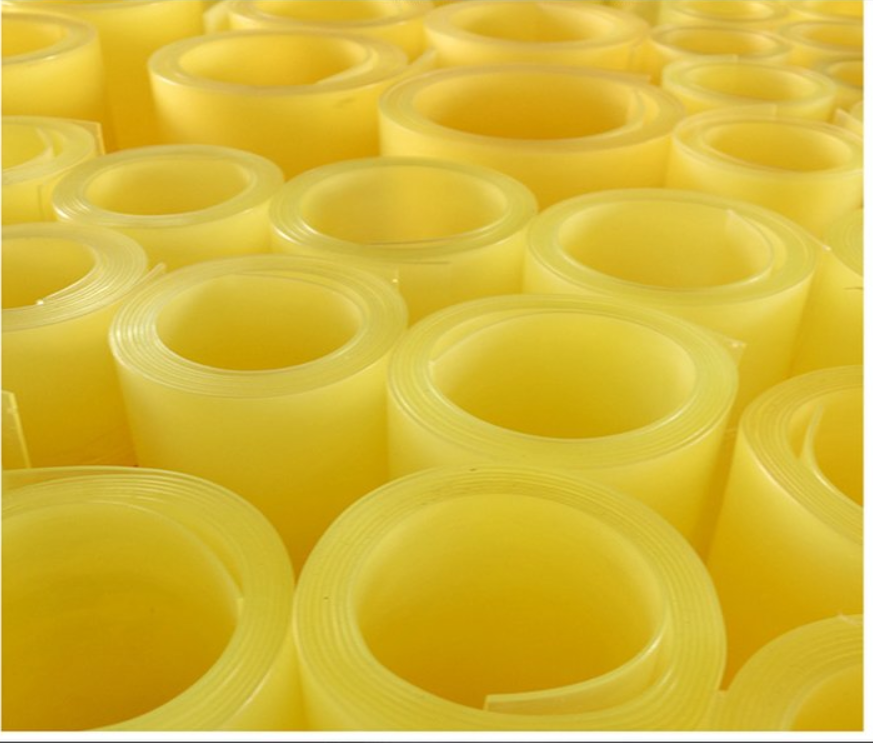
Hardness vs. Application Guide
| Hardness | Typical Applications | Key Properties |
|---|---|---|
| Shore A 20–40 | Vibration isolation mounts, soft seals, medical pads | Maximum flexibility, high energy absorption |
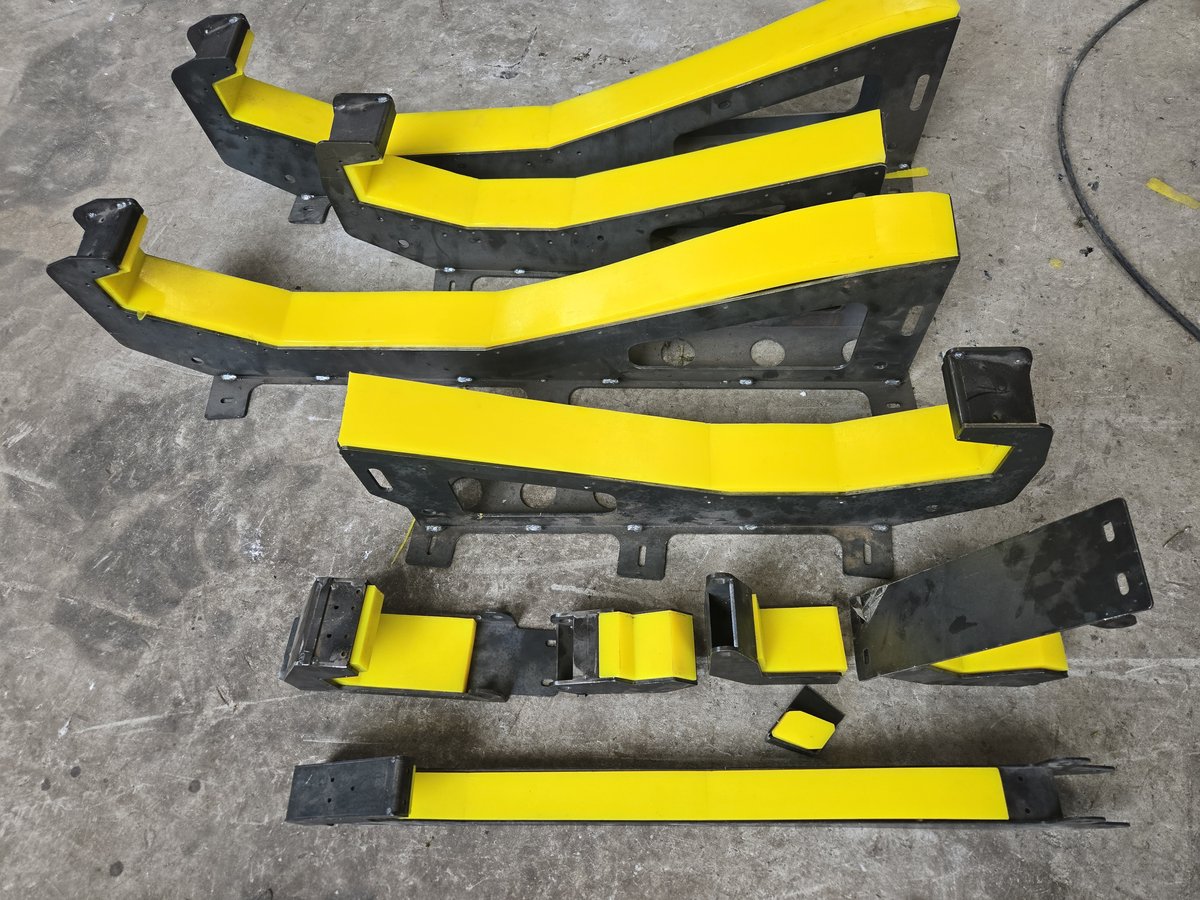
| Shore A 40–60 | Impact bars, bumpers, dock bumpers, noise damping pads | Good impact absorption, moderate load capacity |
| Shore A 60–75 | Rollers, wheels, conveyor components, general wear parts | Balanced hardness and flexibility |
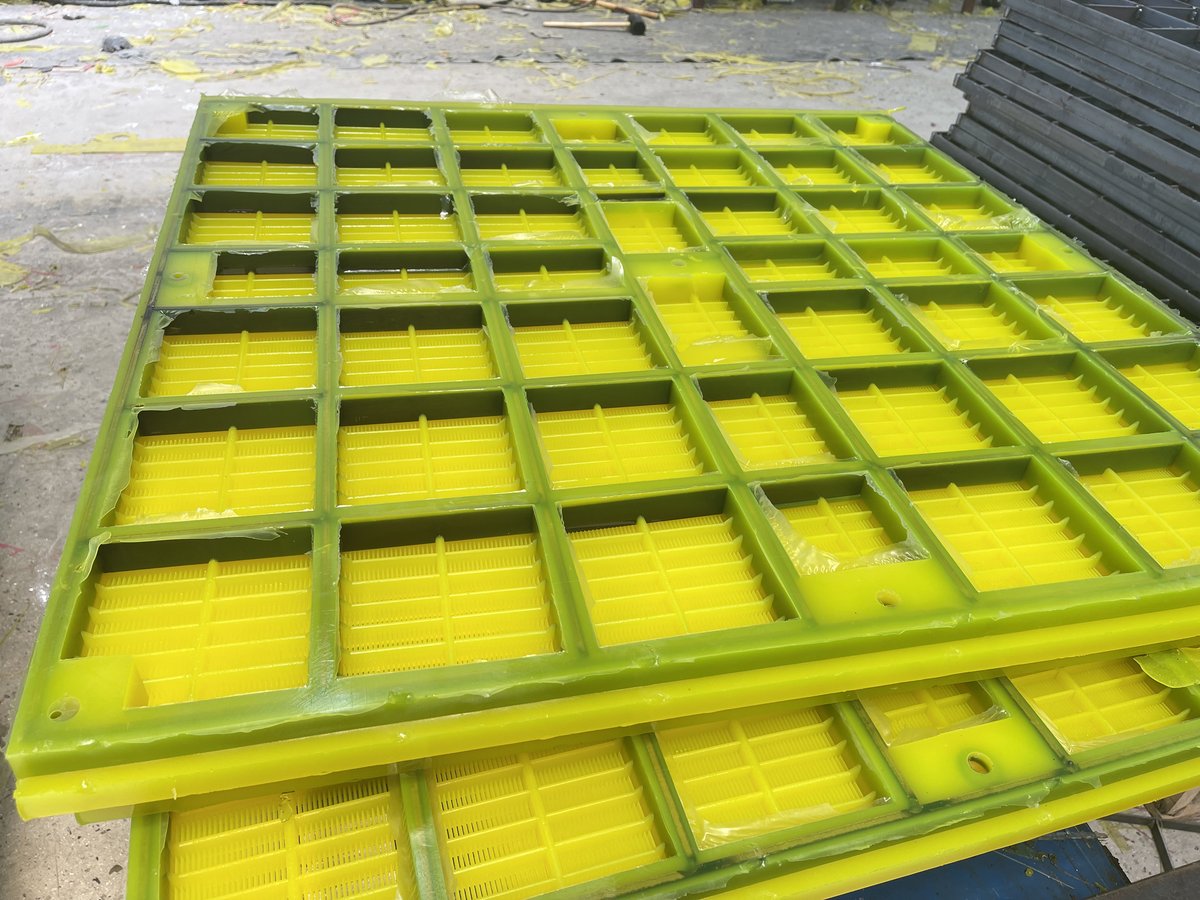
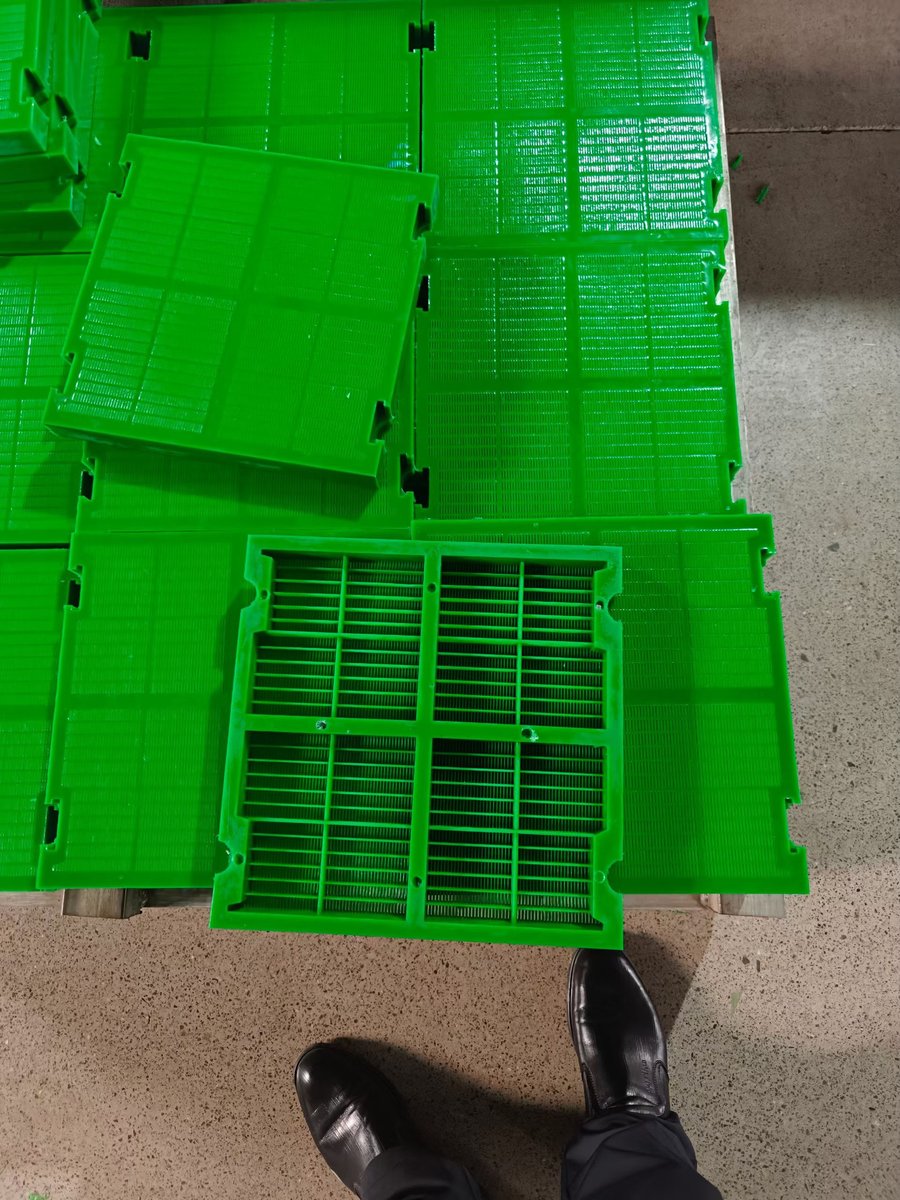
| Shore A 75–85 | Screen panels, skirt boards, pump liners, hydrocyclone inlets | Good abrasion resistance, maintains aperture shape |
| Shore A 85–95 | Hydrocyclone apexes, chute liners, structural wear parts | High abrasion resistance, maximum load capacity |
| Shore D 40–60 | Solid wheels, high-load bearings, precision wear components | Near-plastic rigidity with elastomer toughness |
How Hardness Affects Performance
Abrasion Resistance
Contrary to intuition, harder PU is not always more abrasion resistant. For sliding abrasion (e.g., material flowing across a liner), medium-hard grades (Shore A 70–85) often outperform very hard grades because they can deform slightly to absorb abrasive particles. For impact abrasion (e.g., large rocks hitting a screen panel), harder grades perform better.
Load-Bearing Capacity
Harder grades support higher static and dynamic loads without permanent deformation. If a PU component shows "creep" (gradual deformation under constant load), specify a harder grade or switch to Shore D.
Need Help Selecting the Right Hardness?
Our technical team can recommend the optimal hardness grade for your application. Send us your application details and we'll provide a free recommendation.
fengjian@jsltupe.comRelated Articles
Need Polyurethane Products?
Custom cast PU sheets, rods, and machined parts. Fast quotes, competitive pricing.
Get a QuoteView Products